Spring in Chinese Medicine: More Than a Spring Detox
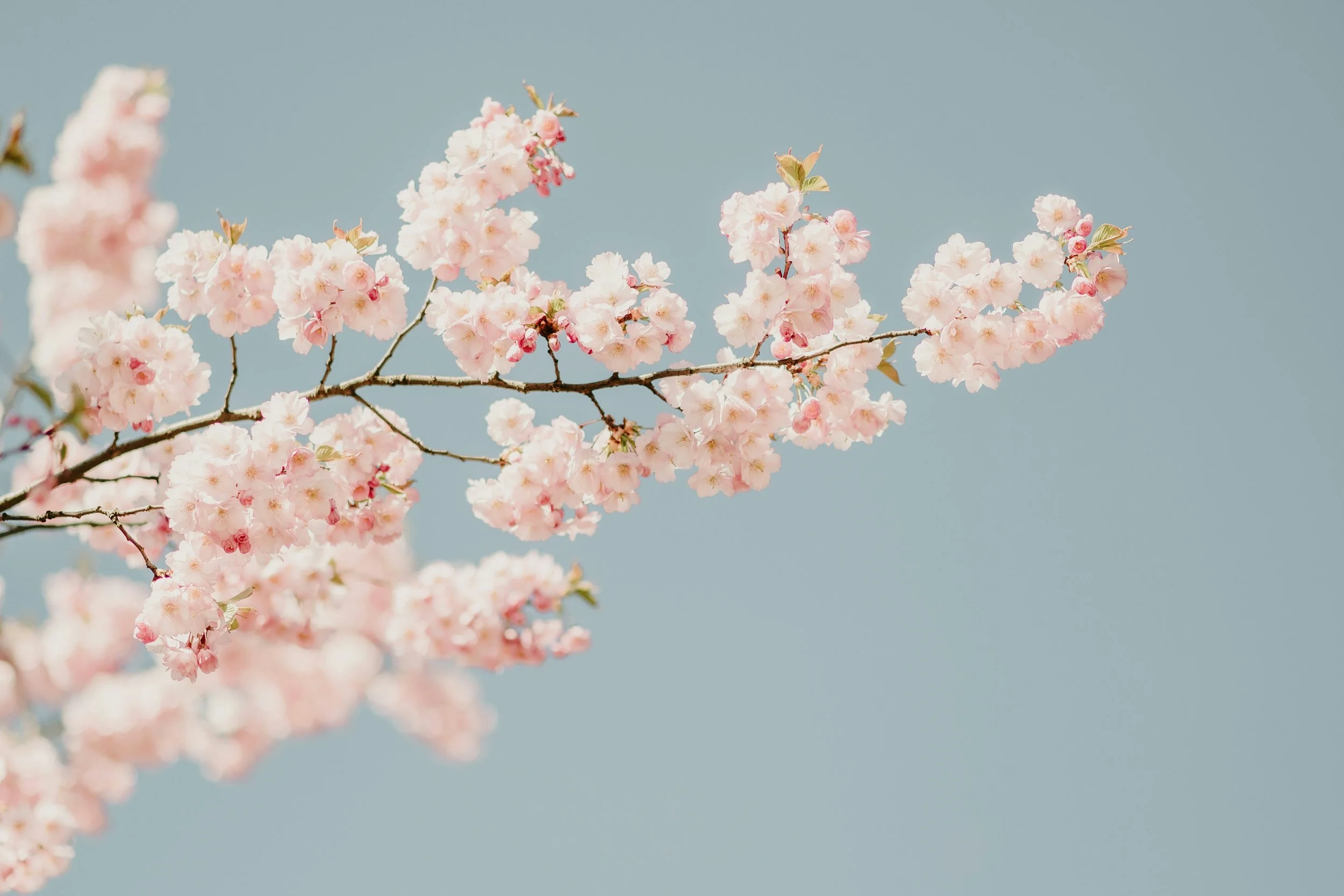
Spring is now well and truly underway in Melbourne, and the spring equinox has arrived. The days are noticeably longer, trees are covered in blossoms and the garden is bursting back to life after winter.
At home, I have been planting vegetables, clearing the remains of winter from the garden and spending plenty of weekends pottering around the house. In the kitchen, I’m cooking with more fresh herbs, leafy greens and brighter flavours as they come into season.
Chinese medicine has always placed great importance on living in relationship with the seasons. This is not simply about choosing a few “spring acupuncture points” or doing a spring detox. Seasonal practice includes how we sleep, move, eat, manage our emotions and relate to the natural world around us.
What does spring mean in Chinese medicine?
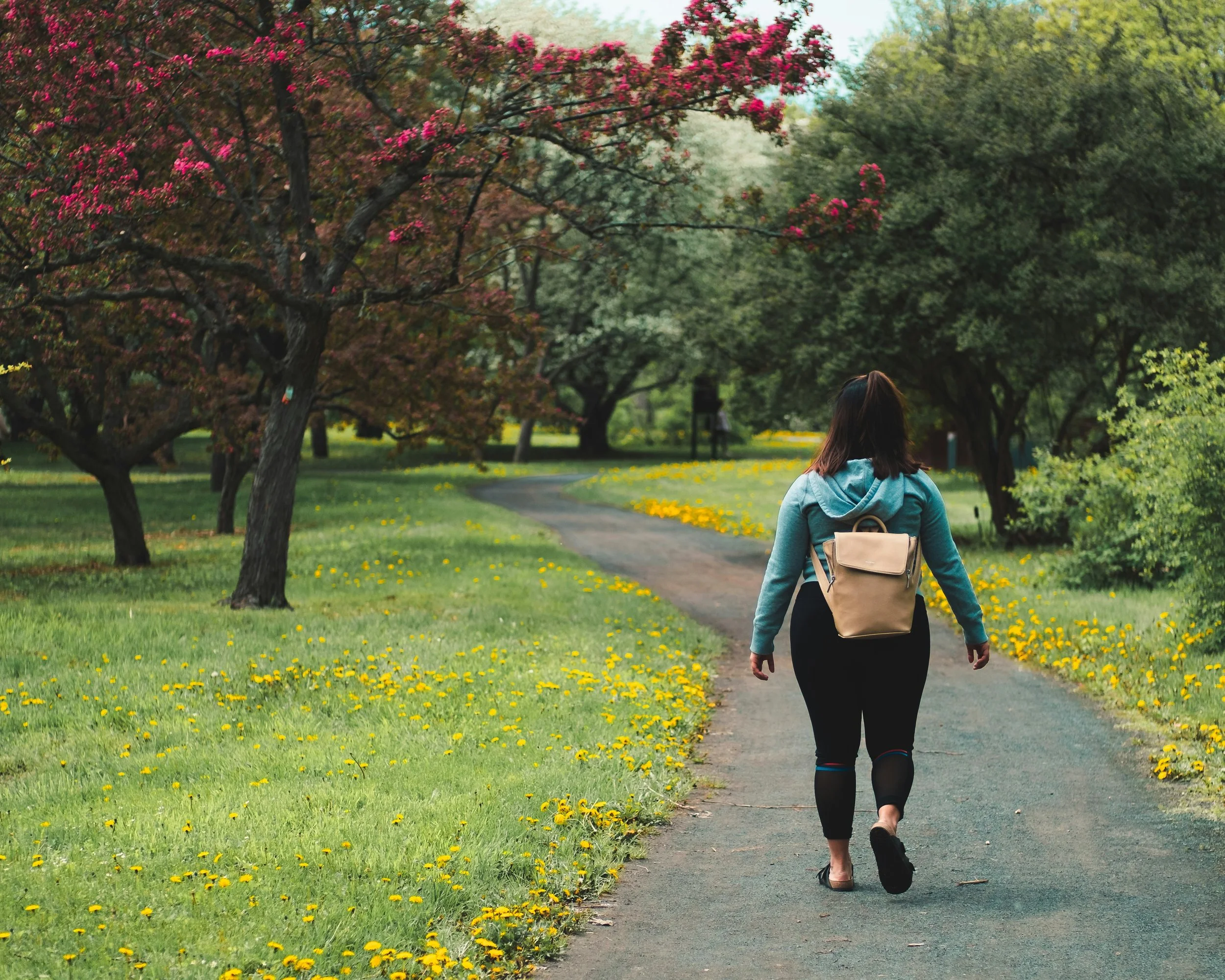
Spring is associated with the Wood element and the Liver and Gallbladder systems.
After the inward, conserving nature of winter, yang begins to rise again. Plants push through the soil, animals become more active and we often feel a natural desire to move, socialise, make plans or start something new.
One of the foundational Chinese medicine texts, the Huangdi Neijing, describes spring as a time when what has been stored begins to unfold. Its advice is surprisingly relatable:
“Rise early, walk in the courtyard, loosen the hair and relax the body, allowing the will for life to grow.”
In modern terms, this might mean spending more time outside, gradually becoming more active, stretching the body and allowing new ideas or intentions to develop.
The text also encourages generosity rather than punishment, and growth rather than suppression. Spring is not only about movement in the physical body. It is also about curiosity, creativity, emotional flexibility and having enough room in our lives for something new to develop.
Why spring is not simply “Liver detox season”
Spring is often marketed as the perfect time to cleanse or detox the Liver. From a Chinese medicine perspective, this is an oversimplification.
The Liver system in Chinese medicine is not exactly the same as the biomedical liver. It includes a much broader set of functions involving the movement of qi, the storage of Blood, menstruation, emotional regulation, vision and the health of the tendons and sinews.
One of the Liver’s most important roles is maintaining the smooth movement of qi throughout the body.
When that movement is flowing well, we may feel motivated, creative, decisive and able to adjust to change. When it becomes constrained, we may feel irritable, tense, stuck or emotionally reactive. Physical symptoms can include headaches, tight shoulders, jaw clenching, digestive discomfort, breast tenderness or changes in premenstrual symptoms.
This does not mean that everyone experiencing frustration or a headache has a “toxic Liver”. Nor does it mean that everyone should begin a juice cleanse or take the same collection of bitter herbs.
Chinese medicine asks a more useful question: what is preventing healthy movement?
For one person, the answer might be too much sitting and not enough physical activity. For another, it could be poor sleep, irregular meals, emotional stress or insufficient recovery. Someone else may need treatment for allergies, migraines, menstrual symptoms or an underlying deficiency that leaves them feeling depleted rather than energised.
Spring encourages movement, but healthy movement still needs nourishment and strong roots.
Ancient advice that still makes sense
Classical Chinese health texts describe spring as a time of rising, expanding and generating. They recommend getting up a little earlier, walking outdoors, gently increasing movement and allowing new ideas and intentions to take shape.
They also advise adjusting our food, clothing and activity gradually as the weather changes. This is particularly relevant in Melbourne, where a warm afternoon can still be followed by a cold, windy evening.
In modern life, this might look like:
Opening the windows and letting fresh air through the house
Walking before work or after dinner
Returning to exercise gradually after winter
Planting herbs, vegetables or flowers
Clearing one neglected area of the garden or home
Beginning a project that has been sitting in the background
Making time for creativity, friendships and learning
The advice is not to completely overhaul your life. It is to create enough movement and space for something new to grow.
The classical texts also remind Chinese medicine practitioners that the season should never replace an individual diagnosis. Someone who is cold, exhausted, depleted and struggling to digest food may not benefit from raw salads, cold smoothies or strongly cleansing herbs simply because it is spring.
Common spring presentations in the clinic
Seasonal change does not affect everyone in the same way, but there are several concerns that become particularly noticeable in spring.
Hay fever, sinus congestion and itchy eyes
Pollen can trigger sneezing, a runny or blocked nose, itchy eyes, sinus pressure, headaches and fatigue.
Chinese medicine often describes these symptoms as external Wind affecting the Lung and nasal passages. However, not all hay fever looks the same.
One person may have clear, watery discharge and feel cold. Another may have red, irritated eyes, heat and thicker mucus. Someone who develops severe hay fever every year may also have an underlying weakness that makes them more sensitive to changes in the environment.
This is why acupuncture and Chinese herbal medicine treatments for hay fever are individualised rather than based on one standard prescription. If seasonal allergies are your main concern, you can read more in my guide to hay fever, acupuncture and Chinese medicine in Melbourne.
Headaches, migraines and muscular tension
Spring is associated with upward and outward movement. When this movement becomes excessive or constrained, symptoms may appear in the upper body.
In clinic, I commonly see:
Headaches around the temples or behind the eyes
Migraines
Neck and shoulder tension
Jaw clenching
Dizziness
Irritability and restlessness
Poor or unsettled sleep
Of course, these symptoms can have many causes. Chinese medicine treatment considers the location and quality of the pain, menstrual cycle, digestion, sleep, stress, muscular tension and other accompanying symptoms.
Menstrual and hormonal symptoms
The Liver system has a close relationship with Blood, menstruation and the smooth movement of qi.
Stress, disrupted sleep and changes in routine can sometimes make premenstrual symptoms more noticeable, including irritability, breast tenderness, headaches, bloating, period pain and clotting.
Significant or persistent menstrual changes should always be properly assessed. Chinese medicine can be used as part of a broader treatment plan, including appropriate blood tests, imaging or GP and specialist care when needed.
A favourite spring herb: Xin Yi Hua
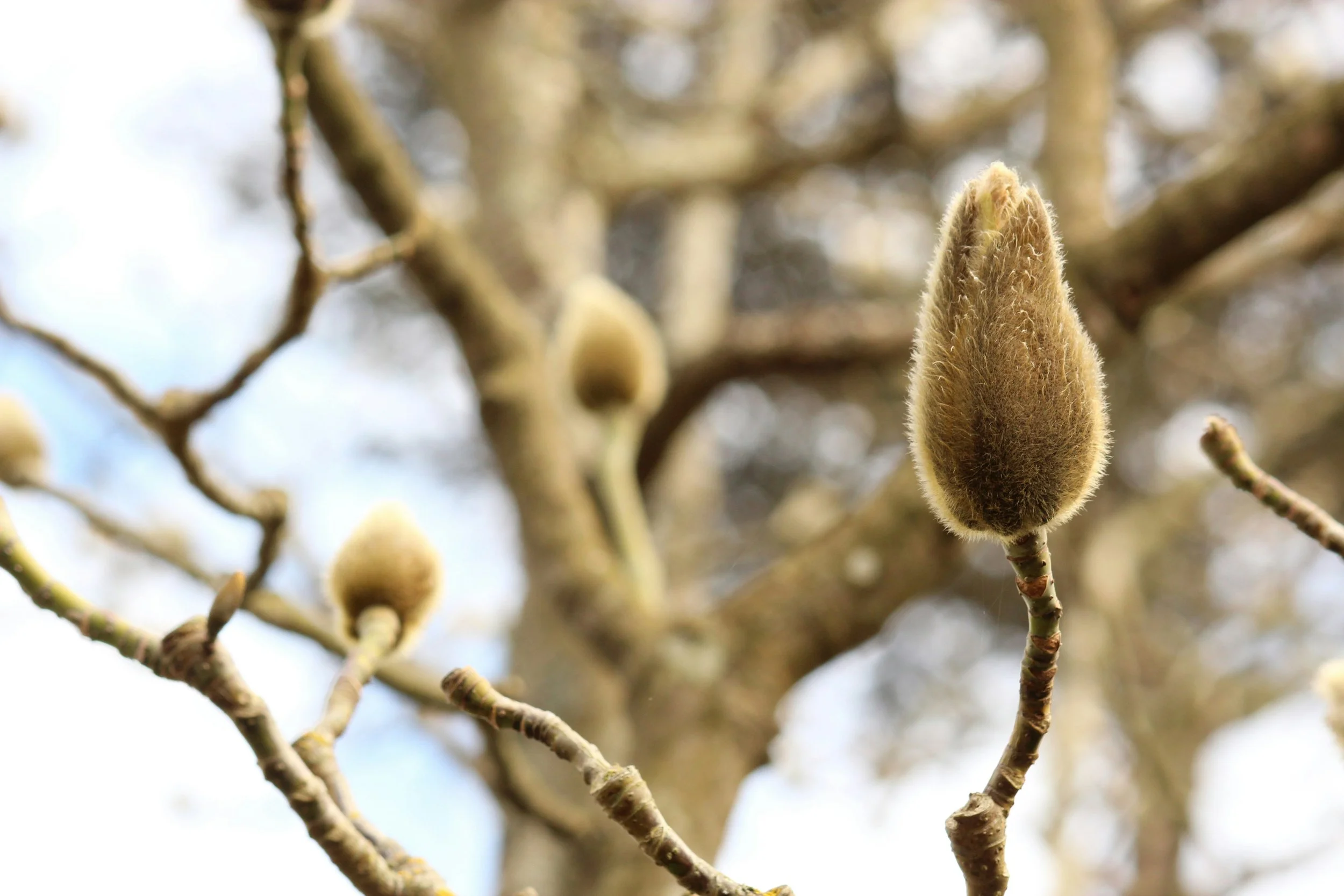
One herb commonly used in Chinese medicine for nasal congestion is Xin Yi Hua, the unopened flower bud of the magnolia tree.
Traditionally, Xin Yi Hua is used to disperse Wind-Cold and open the nasal passages. It may be included in formulas for a blocked or runny nose, sinus pressure, a reduced sense of smell and certain types of headache.
It is usually combined with other herbs according to the individual presentation. The appropriate formula for clear, watery hay fever will not necessarily be the same as one used for thick mucus, heat or chronic sinus congestion.
This individualised approach is one of the strengths of Chinese herbal medicine. It is also why I do not recommend choosing individual herbs from a symptom list without professional guidance.
Does acupuncture help spring allergies and headaches?
Acupuncture has been studied for several conditions commonly seen in spring, including allergic rhinitis, migraine and neck pain.
Research suggests that acupuncture may provide modest improvements in nasal symptoms and quality of life for some adults with allergic rhinitis. It may also help reduce the frequency of migraines and provide short-term relief for some forms of neck pain.
Chinese herbal medicine has also been researched for allergic rhinitis, with studies examining both symptom improvement and quality of life.
Together, this research supports acupuncture and Chinese herbal medicine as valuable treatment options for concerns commonly seen during spring. In practice, treatment is tailored to each person’s symptoms, constitution and broader health picture.
What to eat during a Melbourne spring
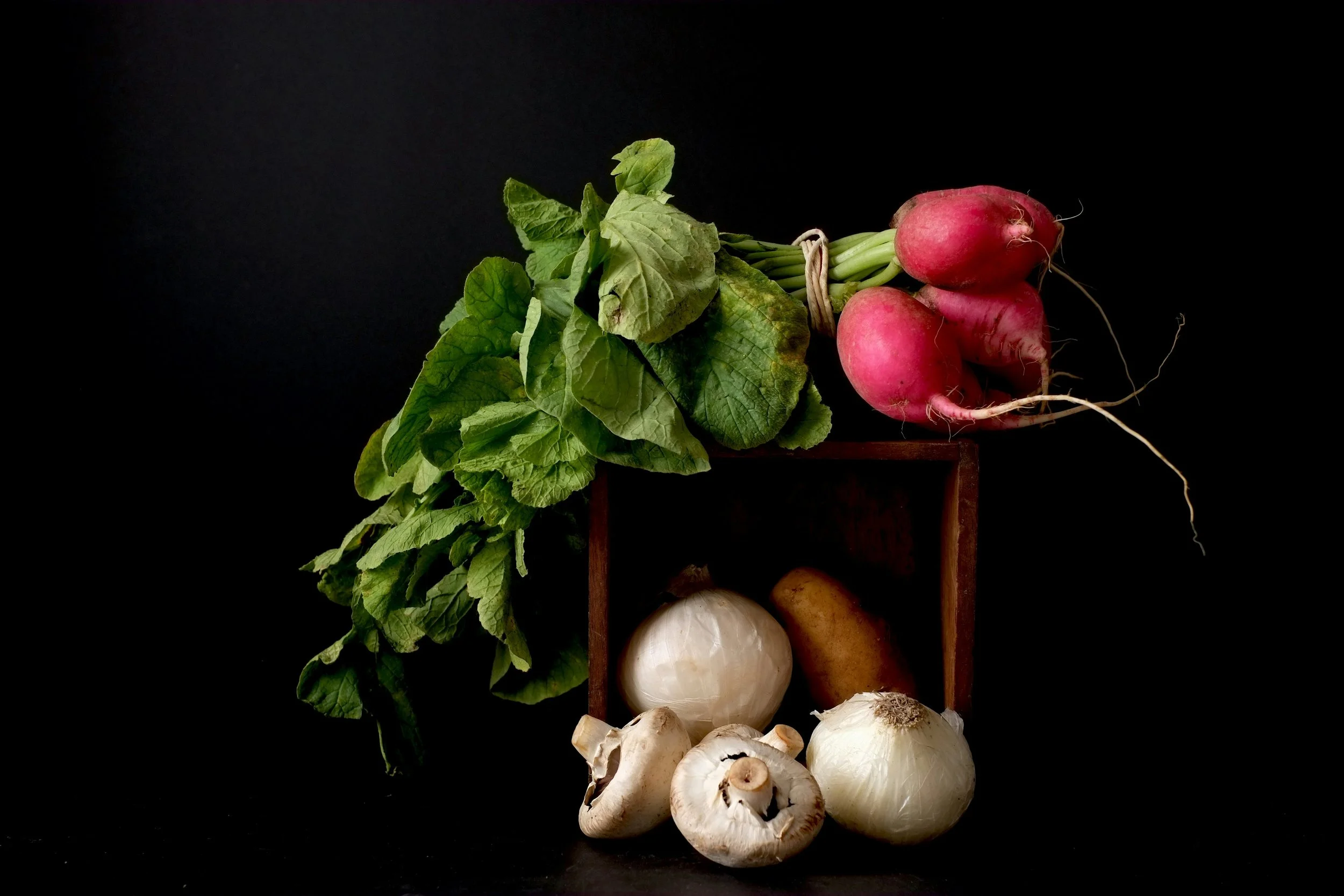
Spring meals can gradually become lighter and fresher, but they do not need to become completely raw or cold.
Melbourne spring is unpredictable. On warmer days, we may naturally want more salads, fresh herbs and lightly cooked vegetables. On colder or windier days, soups, stir-fries and warm breakfasts may still feel better.
Spring produce in Victoria includes:
Asparagus
Artichokes
Broad beans
Peas and snow peas
Asian greens
Spinach and silverbeet
Lettuce
Spring onions
Fresh herbs
Rhubarb
Strawberries
Citrus fruits
Apples
Avocado
Try adding parsley, coriander, mint, dill, basil or chives to meals. Fresh herbs are an easy way to make food feel lighter and brighter without placing extra strain on digestion.
Some simple ideas include eggs with sautéed spinach and herbs, fish or tofu with ginger and spring onion, rice bowls with lightly cooked vegetables, or roasted artichokes and asparagus alongside a good source of protein.
Traditional advice sometimes recommends reducing excessive sour flavours and including naturally sweet, nourishing foods during spring. In Chinese dietetics, “sweet” refers to foods such as rice, oats, pumpkin, carrot, legumes and root vegetables, not refined sugar.
The intention is to support digestion while the season encourages more outward movement.
Simple ways to care for yourself this spring
Move, but build gradually. Walk, stretch, garden, dance or return to a form of exercise you enjoy. You do not need to go from winter hibernation to an intense exercise plan overnight.
Spend time outside. Notice what is flowering, what is growing and how the light is changing. Seasonal living begins with paying attention.
Give frustration somewhere to go. Movement, conversation, writing, gardening and creative work can all help when you feel irritable or stuck.
Eat according to the actual weather. Choose lighter meals when it is warm and return to warming foods when Melbourne becomes cold again.
Make space without turning it into a purge. Clear one cupboard, tidy one garden bed or finish one task that has been lingering.
Protect your sleep. Longer days can make us want to stay up later, but spring energy feels much less enjoyable when we are sleep-deprived.
Spring is an invitation, not a demand
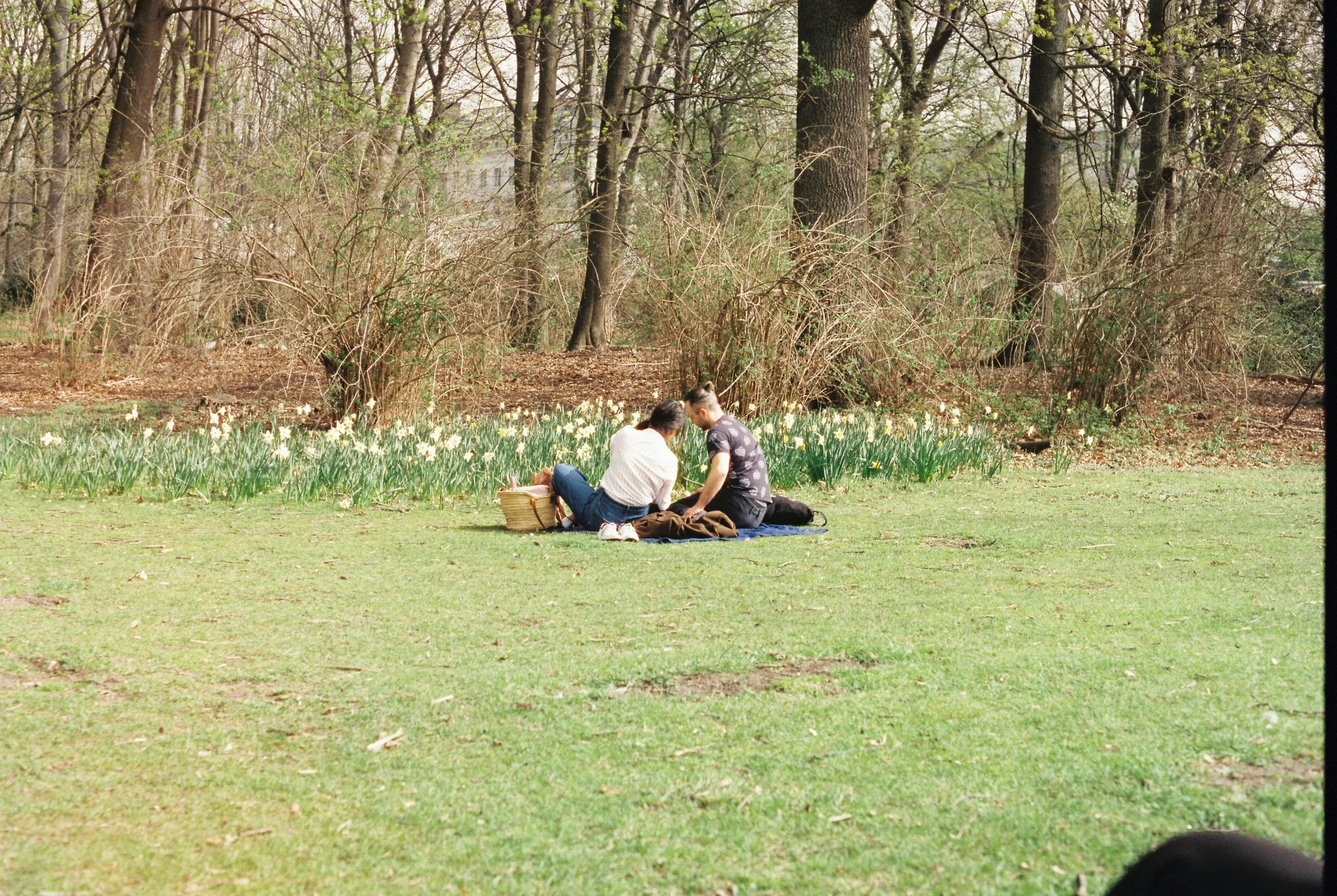
The message of spring in Chinese medicine is not that we should cleanse harder, become endlessly productive or force ourselves into dramatic change.
It is an invitation to notice where life wants to move.
For me, that currently looks like planting vegetables, clearing the remains of winter from the garden, cooking with fresh herbs, learning Arabic, dancing, seeing friends and enjoying weekends pottering around at home.
Healthy spring energy is flexible, curious and purposeful. It clears enough space for something new to grow while remembering that new growth still needs nourishment, protection and time.
If spring has brought an increase in allergies, headaches, muscular tension, disrupted sleep or menstrual symptoms, acupuncture and Chinese herbal medicine may be able to support you. Appointments are available at Maya Acupuncture & Integrative Chinese Medicine in Northcote. You can book an appointment online here.
References
Brinkhaus, B. et al. (2013) ‘Acupuncture in patients with seasonal allergic rhinitis: a randomized trial’, Annals of Internal Medicine, 158(4), pp. 225–234. doi: 10.7326/0003-4819-158-4-201302190-00002.
CERES (n.d.) ‘What’s in season in Melbourne? A seasonal eating guide’. Accessed 22 September 2026.
Gao, L. (1591) ‘Zunsheng Bajian: Seasonal Regulation, Spring Volume’. Accessed 22 September 2026.
Li, H. et al. (2021) ‘Oral application of Chinese herbal medicine for allergic rhinitis: a systematic review and meta-analysis of randomized controlled trials’, Phytotherapy Research, 35(6), pp. 3113–3129. doi: 10.1002/ptr.7037.
Li, S. (1596) ‘Bencao Gangmu’. Accessed 22 September 2026.
Linde, K. et al. (2016) ‘Acupuncture for prevention of episodic migraine’, Cochrane Database of Systematic Reviews, 2016(6), CD001218. doi: 10.1002/14651858.CD001218.pub3.
Unschuld, P.U. and Tessenow, H. (2011) Huang Di Nei Jing Su Wen: An Annotated Translation of Huang Di’s Inner Classic, Basic Questions. Berkeley: University of California Press.
Witt, C.M. et al. (2006) ‘Acupuncture for patients with chronic neck pain’, Pain, 125(1–2), pp. 98–106. doi: 10.1016/j.pain.2006.06.006.
Yang, S.H. et al. (2010) ‘Traditional Chinese medicine, Xin-Yi-San, reduces nasal symptoms of patients with perennial allergic rhinitis by its diverse immunomodulatory effects’, International Immunopharmacology, 10(8), pp. 951–958. doi: 10.1016/j.intimp.2010.05.008.