Natural Support for Hay Fever and Seasonal Allergies in Melbourne
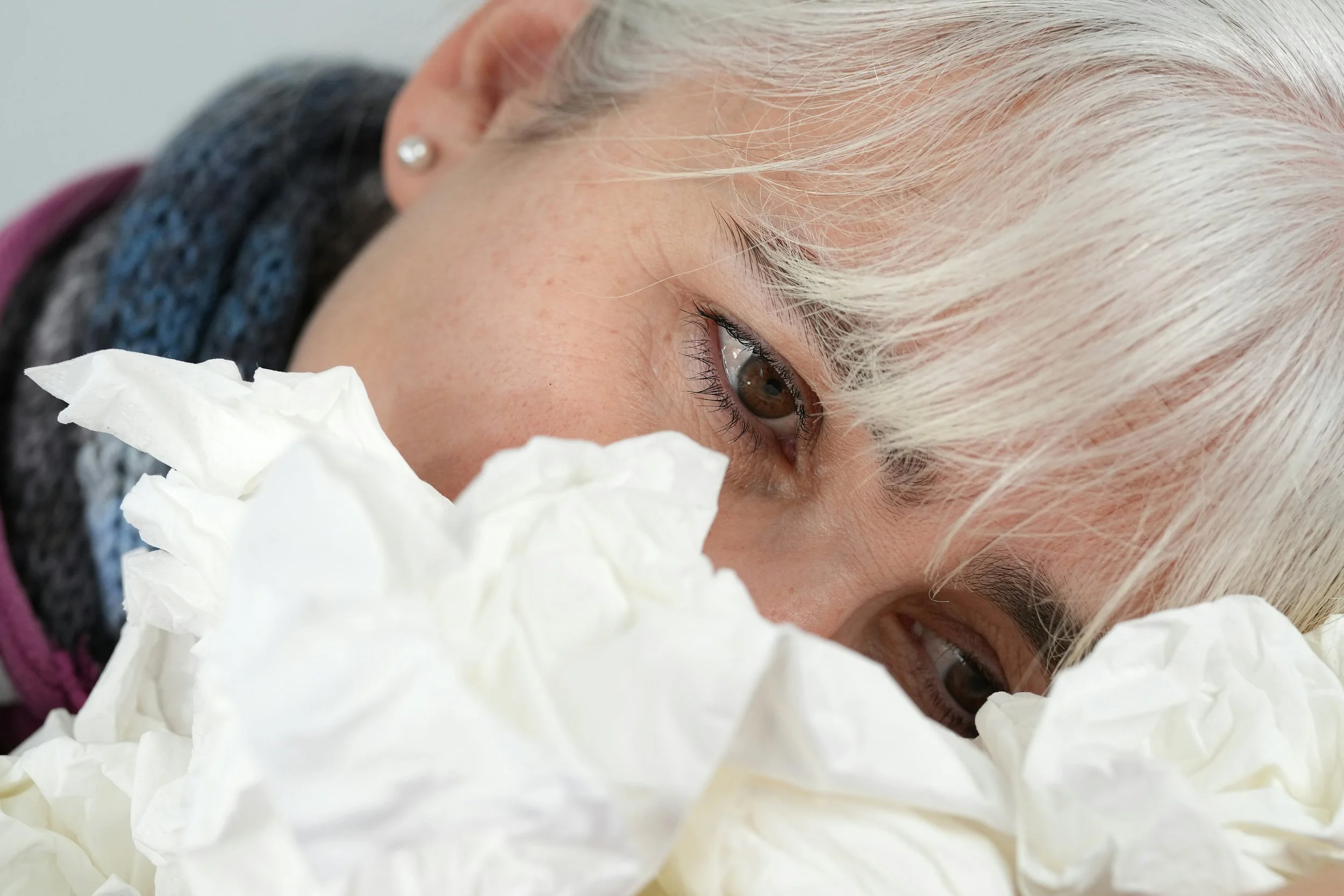
Spring in Melbourne is beautiful, but it can be fairly unforgiving if you live with hay fever.
The gardens come back to life, the jasmine starts flowering and suddenly you are sneezing, rubbing your eyes and wondering whether breathing through your nose is a luxury you took for granted all winter.
For some people, hay fever is a minor seasonal nuisance. For others, it affects sleep, energy, concentration, exercise and their ability to enjoy being outdoors. Antihistamines and nasal sprays can be helpful, but symptoms are not always completely controlled. Some people also prefer to explore non-pharmaceutical options or are looking for additional support throughout allergy season.
This is where acupuncture and Chinese herbal medicine may have a useful role. Treatment is personalised, with the aim of easing current symptoms while also considering why one person’s allergies present so differently from another’s.
What is hay fever?
Hay fever, medically known as allergic rhinitis, is an inflammatory reaction that occurs when the immune system responds to an otherwise harmless airborne substance.
Common triggers include:
Grass, tree and weed pollen
Dust mites
Mould spores
Animal dander
Other airborne irritants
When you encounter a trigger, your immune system releases inflammatory chemicals, including histamine. This can produce symptoms such as:
Sneezing
A runny or blocked nose
An itchy nose, throat or roof of the mouth
Red, watery or swollen eyes
Postnasal drip
Sinus pressure
Headaches
Poor sleep
Fatigue and difficulty concentrating
Although “hay fever” sounds seasonal, allergic rhinitis can occur throughout the year. Pollen is usually more relevant to seasonal symptoms, while dust mites, mould and animal dander may contribute to symptoms at any time.
Why is hay fever so troublesome in Melbourne?
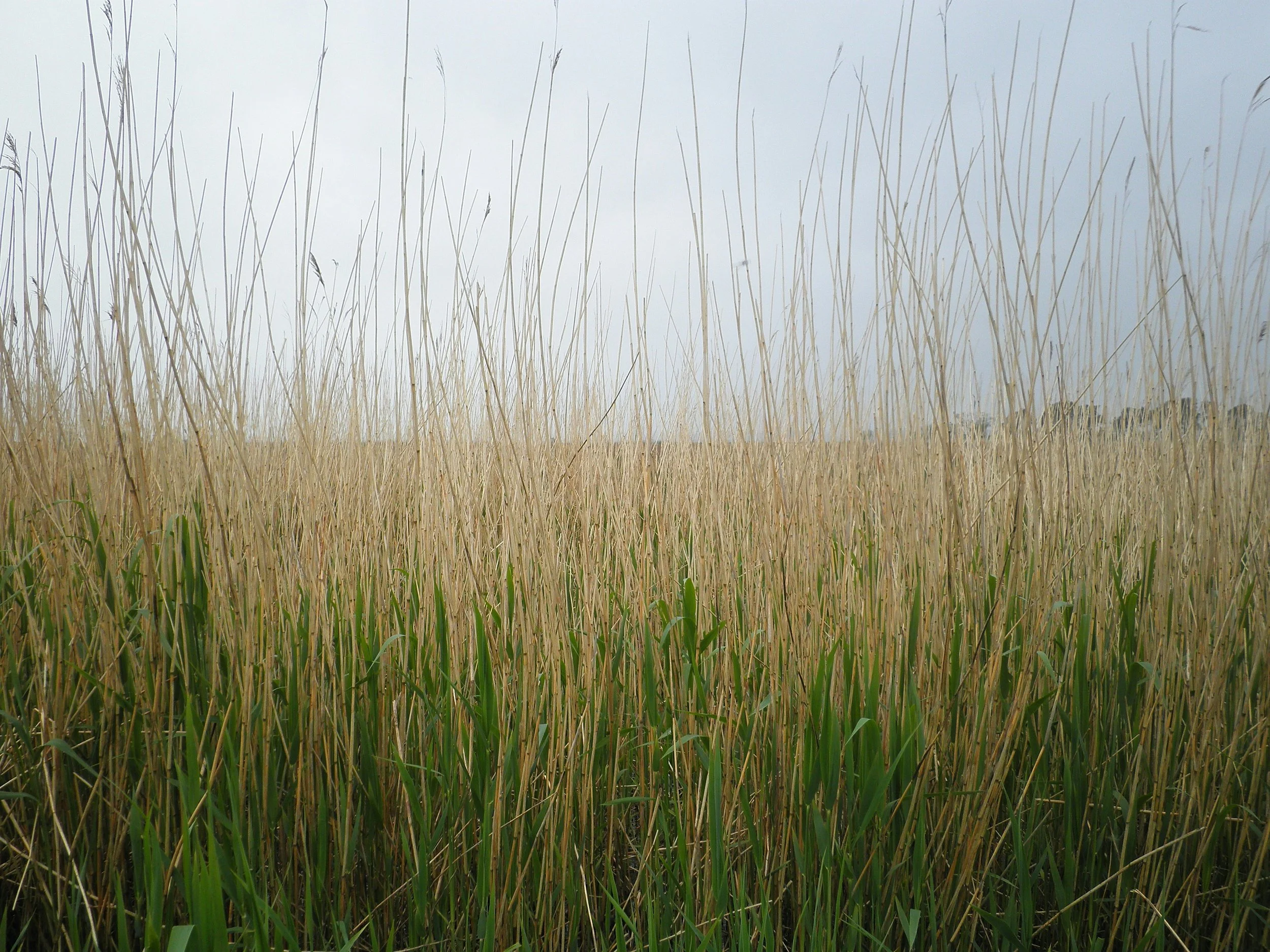
Melbourne’s grass pollen season typically runs from October until the end of December, although its exact timing varies from year to year. Pollen levels can also change dramatically with the weather. Warm, dry and windy conditions may carry pollen over considerable distances, while rain and thunderstorms introduce their own complications.
Grass pollen season is particularly important for people with asthma. Under specific weather conditions, airborne grass pollen can contribute to epidemic thunderstorm asthma. This is not simply a severe version of hay fever and should be taken seriously.
If you experience wheezing, chest tightness, shortness of breath or persistent coughing during pollen season, speak with your GP and ensure your asthma management plan is current. Acupuncture is not a replacement for asthma medication or emergency medical treatment.
A helpful place to begin is the Melbourne Pollen website, where you can monitor daily pollen levels and thunderstorm asthma forecasts.
How does Chinese medicine understand hay fever?
In Chinese medicine, hay fever is often described as an invasion of external “Wind” affecting the Lung system.
This is traditional terminology, but it paints a recognisable picture. Symptoms arrive quickly, move around and affect the body’s outermost areas, including the nose, eyes, throat, skin and airways. Sneezing, itching, watery discharge and sudden congestion all have this changeable, Wind-like quality.
However, not everyone with hay fever receives the same Chinese medicine diagnosis.
One person may have intense itching, red eyes and a hot, irritated throat. Another may experience profuse watery discharge, cold hands and exhaustion. Someone else may have heavy congestion, sinus pressure and thick mucus.
Treatment therefore considers both the immediate symptoms and the broader pattern beneath them. I may ask about your:
Digestion and bowel habits
Sleep and energy
Temperature and circulation
Menstrual cycle and hormonal changes
Respiratory health
Frequency of colds and infections
Timing and triggers of your allergies
Particular combination of nasal and eye symptoms
This information helps determine which acupuncture points or herbal ingredients are most appropriate for you.
Can acupuncture help hay fever?
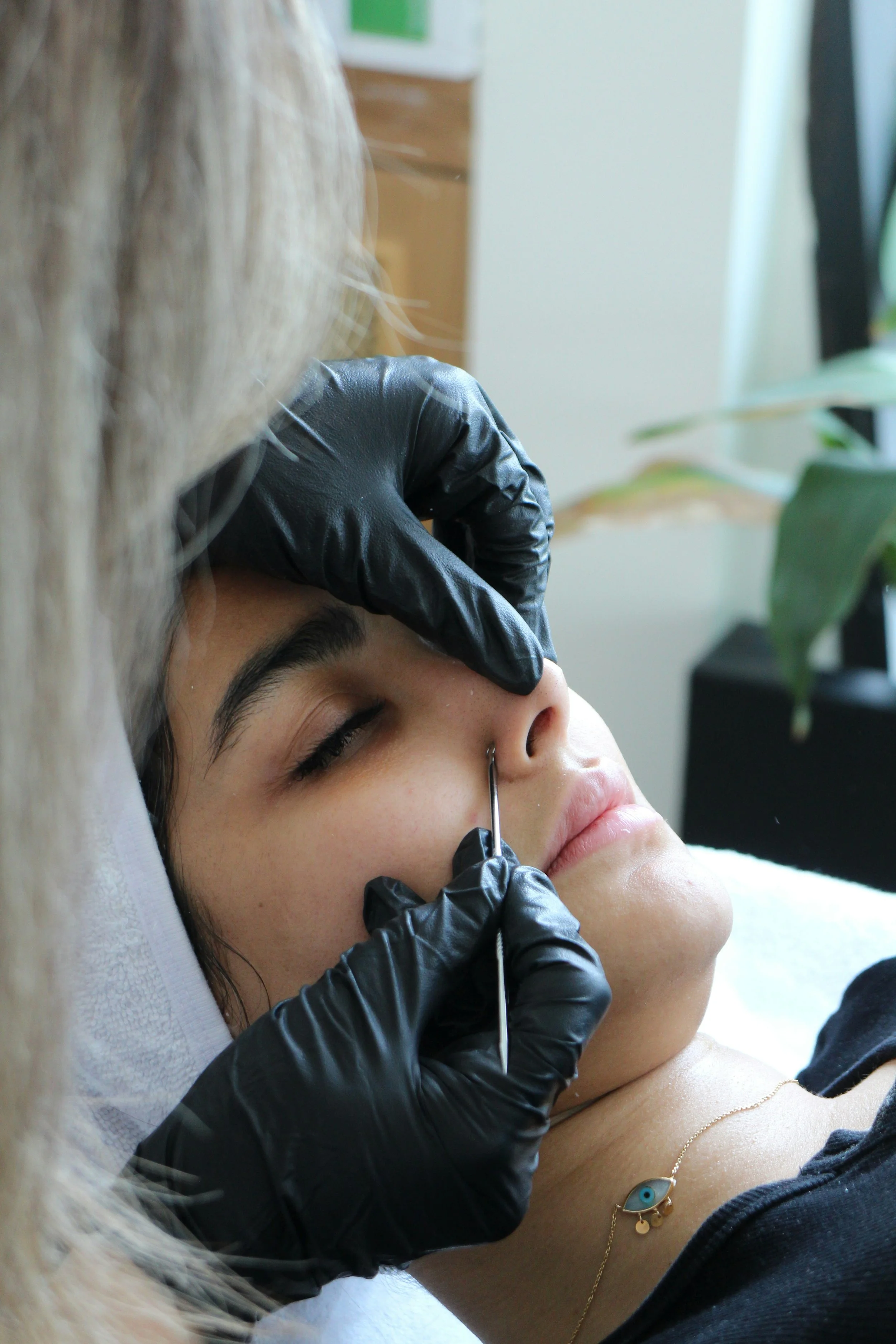
Acupuncture may help reduce the severity of allergic rhinitis symptoms for some people, particularly when used as part of a broader management plan.
Clinical research has reported improvements in nasal symptoms and quality of life following acupuncture, although results vary and the quality of studies is not uniform. Some systematic reviews have found promising results while also calling for larger, better-designed trials.
From a biomedical perspective, researchers are investigating whether acupuncture may influence inflammatory signalling, immune activity and autonomic nervous system regulation. These mechanisms are still being studied, so it is more accurate to say acupuncture may help regulate aspects of the allergic response rather than claiming that it simply “boosts” the immune system.
In the clinic, acupuncture treatment may focus on symptoms such as:
Nasal congestion
Sneezing and runny nose
Itchy or watery eyes
Sinus discomfort
Headaches
Restlessness and poor sleep
Fatigue associated with persistent allergies
Points may be selected around the face, nose, hands, arms, legs and feet. The needles are very fine, and treatment can generally be adapted for people who are feeling particularly sensitive or congested.
When should you begin acupuncture for seasonal allergies?
You do not necessarily need to wait until your symptoms are at their worst.
For predictable seasonal hay fever, I often prefer to begin treatment before the usual flare begins. This gives us time to assess your individual pattern and work on any background issues that may be contributing to the severity of your symptoms.
Once pollen season is underway, treatment can be adjusted to address the symptoms you are experiencing at that time.
The ideal frequency varies. Some people begin with weekly appointments during their most symptomatic period, while others need less frequent support. This depends on the severity and duration of symptoms, your overall health and how you respond to treatment.
Chinese herbal medicine for hay fever
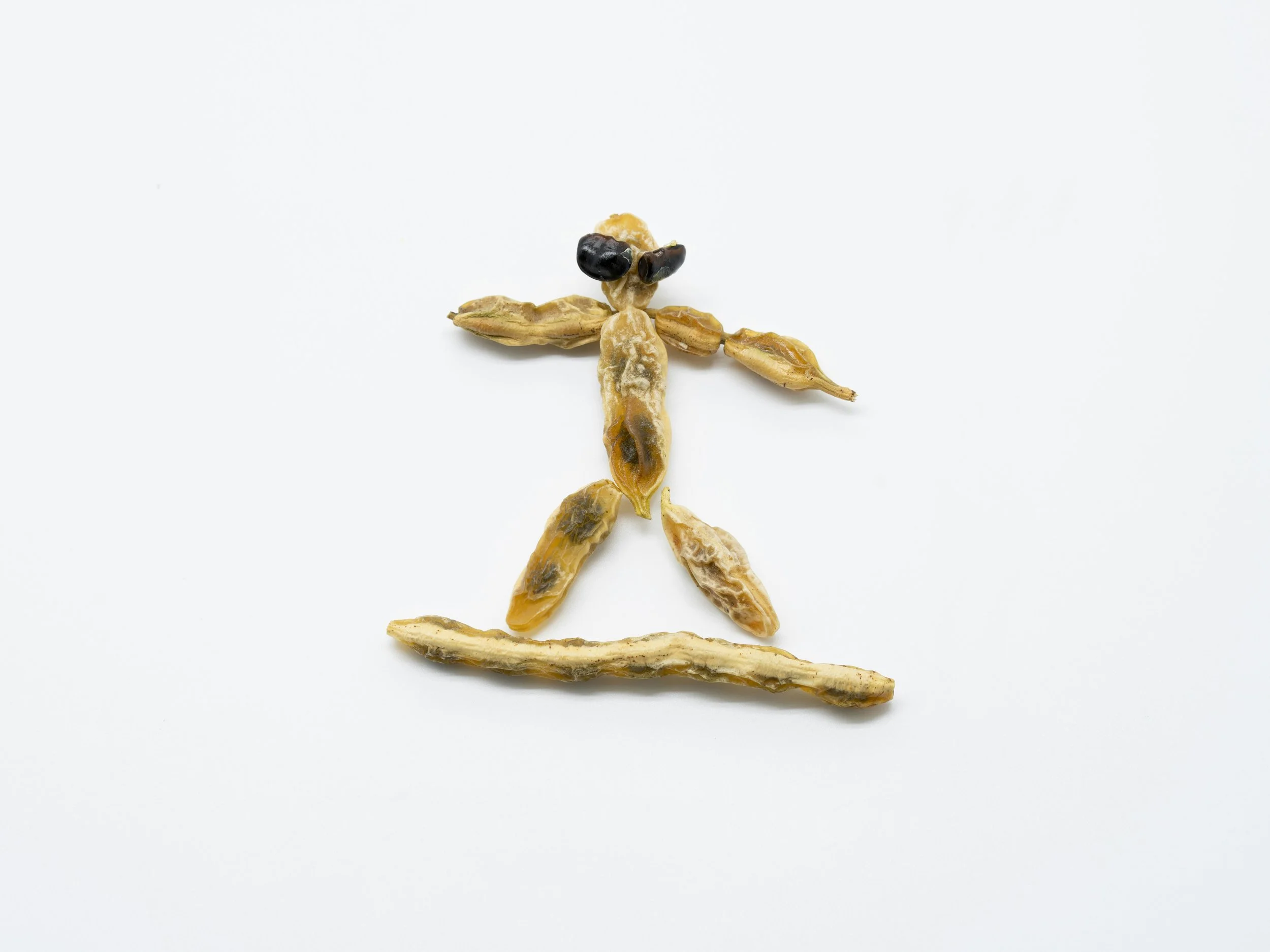
Chinese herbal medicine can also be considered when symptoms are persistent, complicated or accompanied by broader health concerns.
A prescription might be designed to address congestion, itching, watery discharge or sinus pressure while also supporting the underlying pattern identified during your consultation. This is one reason I do not recommend choosing a generic “allergy formula” without an individual assessment.
For example, a person with a dry, irritated nose and red eyes may require a different approach from someone with pale, swollen nasal passages, copious clear mucus and digestive weakness.
Systematic reviews of Chinese herbal medicine for allergic rhinitis have reported potentially encouraging results, but limitations in study quality mean the evidence is not conclusive. Herbal medicine is best understood as a personalised treatment option rather than a guaranteed solution for hay fever.
Herbs can interact with medicines and may not be suitable during pregnancy, breastfeeding or for people with certain medical conditions. Please seek advice from a qualified Chinese herbal medicine practitioner rather than self-prescribing.
Practical ways to reduce your hay fever exposure

Treatment tends to work best when combined with realistic strategies for reducing exposure to your triggers.
1. Check the pollen forecast
Use the Melbourne Pollen forecast to identify high and extreme pollen days. This may help you decide when to exercise outdoors, open windows or dry washing outside.
The Melbourne Pollen app can also provide local forecasts and notifications, making it easier to plan ahead during grass pollen season.
2. Rinse away pollen
Saline nasal sprays and rinses can help clear allergens and inflammatory mucus from the nose. The Australasian Society of Clinical Immunology and Allergy describes saline irrigation as a safe, inexpensive and generally well-tolerated option for allergic rhinitis.
Always use sterile, distilled or appropriately boiled and cooled water in nasal-rinsing devices, and follow the manufacturer’s hygiene instructions.
3. Change after being outdoors
Pollen settles on clothing, hair and skin. On high-pollen days, changing your clothes and washing your face or showering after spending time outside may reduce ongoing exposure inside the home.
If your symptoms are severe, avoid leaving worn outdoor clothing in the bedroom.
4. Keep windows closed when pollen is high
It may be helpful to close windows during high-pollen or windy conditions, particularly in the bedroom and while driving.
A well-maintained air purifier with a HEPA filter may also help reduce airborne particles indoors, although it cannot remove the original source of an allergy.
5. Stay comfortably hydrated
Hydration will not switch off an allergic response, but adequate fluids can help keep the mouth, nose and throat comfortable when you are congested or breathing through your mouth.
Warm water, herbal tea, soups and broths may feel particularly soothing. Warm, moist meals can also be easier to tolerate when congestion, postnasal drip or a dry throat is affecting your appetite.
In Chinese medicine, fluids are viewed not only in terms of how much we consume, but also how effectively the body transforms, circulates and uses them. If you drink plenty of water but remain thirsty, feel puffy or notice that fluids seem to sit uncomfortably in your stomach, this can provide additional information about your broader pattern.
It may also be worth noticing whether alcohol, very spicy foods or excessive caffeine aggravate your congestion, dryness or sleep during allergy season.
A personalised approach to seasonal allergies
There is no single natural remedy that suits everyone with hay fever.
Some people mainly need help during Melbourne’s spring grass pollen season. Others experience symptoms throughout the year and may need investigation for dust mite, mould or animal allergies. Persistent congestion may also be associated with sinus disease, nasal polyps, medication effects or non-allergic rhinitis.
Acupuncture and Chinese herbal medicine can be used as an alternative approach or alongside conventional hay fever treatments, depending on your needs and preferences.
If your symptoms are severe, unclear or not responding to treatment, speak with your GP. Allergy testing or referral to a clinical immunology or allergy specialist may be appropriate.
My role is to understand the particular way your symptoms show up, consider your health more broadly and create a treatment plan that is appropriate for you.
Acupuncture for hay fever in Northcote
If seasonal allergies are making it difficult to sleep, work or enjoy spring in Melbourne, you are welcome to book an appointment at Maya Acupuncture & Integrative Chinese Medicine in Northcote.
We can discuss your allergy pattern, current medications and any other health concerns before deciding whether acupuncture, Chinese herbal medicine or a combination of approaches may be suitable.
Book an acupuncture appointment.
References
Australasian Society of Clinical Immunology and Allergy (ASCIA) (n.d.) Allergic rhinitis (hay fever), ASCIA.
Australasian Society of Clinical Immunology and Allergy (ASCIA) (n.d.) Allergic rhinitis clinical update, ASCIA.
Li, H., Kreiner, J.M., Wong, A.R., Li, M., Sun, Y., Lu, L., Liu, J. and Yang, A.W.H. (2021) ‘Oral application of Chinese herbal medicine for allergic rhinitis: A systematic review and meta-analysis of randomized controlled trials’, Phytotherapy Research, 35(6), pp. 3113–3129. doi: 10.1002/ptr.7037.
Li, Y., Wang, Y., Liang, Y., Si, X., Li, Z. and Wang, Y. (2024) ‘Intranasal acupuncture for allergic rhinitis: A systematic review and meta-analysis’, Medicine, 103(45), article e40305. doi: 10.1097/MD.0000000000040305.
Melbourne Pollen Count and Forecast (n.d.) Why is grass pollen only counted between 1 October and 31 December?
Melbourne Pollen Count and Forecast (n.d.) Why is pollen a problem?